
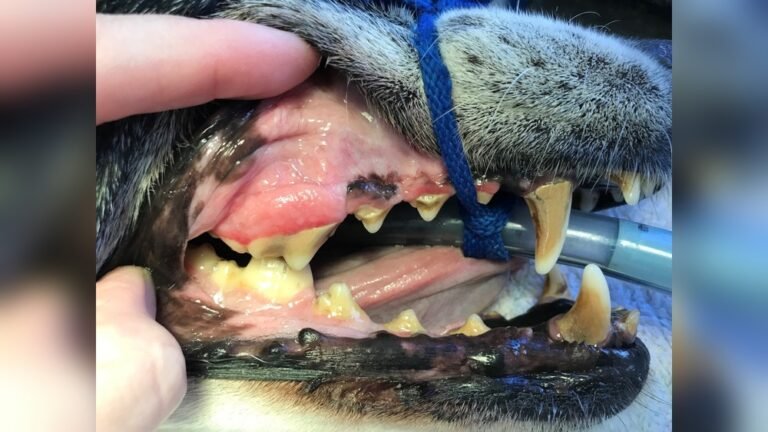
Dogs need good dental care just like people do. Healthy teeth help dogs eat well and avoid pain. If you take care of your dog’s teeth, you can stop many problems. Here is an easy guide on how to keep your dog’s teeth clean and strong.
Why Is Dental Care Important for Dogs?
Dogs use their teeth every day. They chew food and play with toys. If their teeth get dirty, it can cause pain and illness. Dirty teeth can lead to bad breath, sore gums, and even more serious sickness. Taking care of your dog’s teeth helps them stay happy and healthy.
What Causes Problems in Dog’s Teeth?
- Plaque: A soft, sticky film on teeth. It has germs that can hurt teeth.
- Tartar: When plaque hardens, it turns into tartar. Tartar is hard and brown.
- Gum Disease: Bacteria from plaque and tartar cause gums to hurt and bleed.
If you do not clean your dog’s teeth, plaque turns into tartar. Tartar is hard to remove without help from a vet. It can cause pain and tooth loss.
Step 1: Brush Your Dog’s Teeth Every Day
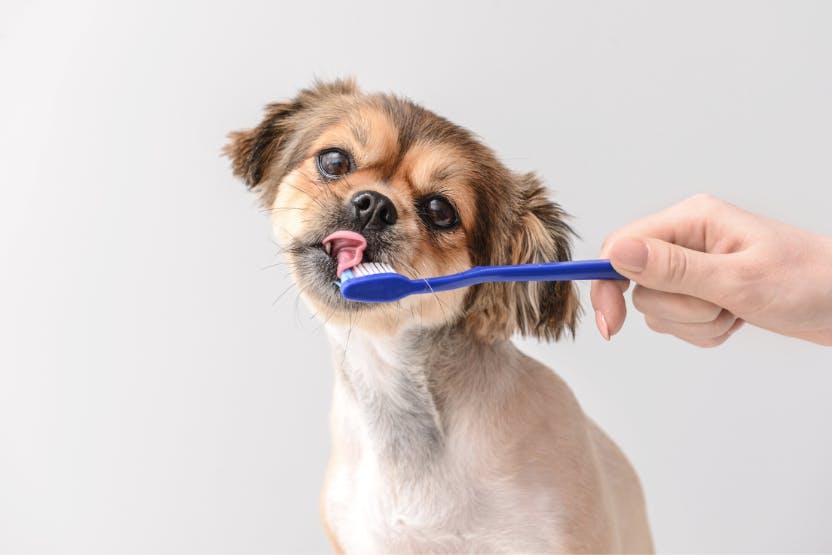
Brushing is the best way to keep teeth clean. Use a toothbrush made for dogs. It is soft and fits their mouth well. Use toothpaste made for dogs too. Human toothpaste can hurt dogs if swallowed.
Start slowly. Let your dog taste the toothpaste first. Then gently brush a few teeth. Give your dog a treat after brushing. This helps them like it. Try to brush every day or at least several times a week.
Step 2: Give Dental Chews and Toys
Dental chews and toys help clean teeth. When dogs chew, the hard surface scrapes plaque off their teeth. Choose chews approved by the Veterinary Oral Health Council (VOHC). These have been tested to help teeth.
Always watch your dog when they chew. Some chews can break teeth or cause choking if broken. Give the right size chew for your dog’s breed and size.
Credit: wagwalking.com
Step 3: Use Dental Water Additives and Supplements
Special water additives can help fight bacteria in the mouth. Add them to your dog’s water bowl. These products reduce plaque and freshen breath. Some supplements like seaweed powder also help keep teeth clean.
Talk to your vet before starting any new product. They can recommend the best options for your dog.
Step 4: Regular Vet Dental Checkups
Visit your vet for dental exams at least once a year. The vet can find problems early. Sometimes dogs need a professional cleaning. This is done under anesthesia. The vet uses special tools to remove hard tartar. This cleaning reaches under the gums where brushing can’t reach.
Professional cleanings keep your dog healthy and stop pain from dental disease.
How to Remove Brown Plaque and Tartar at Home
Brown tartar is hard to remove at home. Daily brushing helps stop plaque from turning into tartar. If tartar is already hard, brushing alone is not enough. Here are some tips to help:
| Method | Description |
|---|---|
| Daily Brushing | Use dog toothbrush and enzymatic toothpaste to remove soft plaque. |
| Dental Chews & Toys | Chewing helps scrape plaque and tartar from teeth surfaces. |
| Water Additives & Supplements | Control bacteria and help keep plaque from growing. |
| Professional Vet Cleaning | Vet removes hard tartar with special tools under anesthesia. |
| Coconut Oil Paste | Rub soft paste of coconut oil and water to soften tartar. |
The coconut oil paste can help soften tartar. But it does not replace a vet cleaning for hard tartar. Always check with your vet before trying home remedies.
Important Tips to Remember
- Use dog-safe products: Only dog toothpaste and brushes.
- Never use human toothpaste: It can harm dogs.
- Brush gently: Be kind and patient with your dog.
- Watch chewing: Avoid choking or broken teeth.
- Check gums: Healthy gums are pink and not swollen.
Signs Your Dog Needs Dental Care
Watch for these signs of dental problems:
- Bad breath that does not go away
- Red, swollen, or bleeding gums
- Difficulty eating or chewing
- Loose or missing teeth
- Drooling more than usual
If you see any of these signs, visit your vet right away. Early care helps prevent bigger problems.
How to Make Dental Care Fun for Your Dog
Dental care does not have to be a struggle. Here are some ways to make it easy and fun:
- Start young if possible. Puppies learn fast.
- Use tasty dog toothpaste flavors like chicken or peanut butter.
- Give treats and praise after brushing.
- Let your dog play with dental toys often.
- Be patient. Take small steps at your dog’s pace.
With time, your dog will get used to dental care. It will become part of your daily routine.

Credit: www.osons-a-stmalo.com
Summary: Steps to Healthy Dog Teeth
| Step | Action |
|---|---|
| 1 | Brush teeth daily with dog toothbrush and toothpaste. |
| 2 | Give VOHC-approved dental chews and toys. |
| 3 | Use dental water additives or supplements as advised. |
| 4 | Visit the vet regularly for dental checkups. |
| 5 | Get professional cleaning if tartar is hard. |
Good dental care helps your dog feel great. It keeps their teeth strong and mouth healthy. Start today and make it a happy habit for you and your dog.
Frequently Asked Questions
What Can I Do To Keep My Dog’s Teeth Healthy?
Brush your dog’s teeth daily with a dog-specific brush and enzymatic toothpaste. Offer VOHC-approved dental chews and toys. Use dental water additives or supplements to reduce bacteria. Schedule regular veterinary dental checkups for professional cleaning and early problem detection. Maintain consistent dental care for lasting oral health.
How Do I Get Brown Plaque Off My Dog’s Teeth?
Brush your dog’s teeth daily with a dog-specific brush and toothpaste to remove plaque. Use dental chews and water additives for extra cleaning. For hard brown tartar, visit a vet for professional cleaning. Never use human toothpaste and reward your dog during dental care.
Is It Ever Too Late To Start Brushing Your Dog’s Teeth?
It is never too late to start brushing your dog’s teeth. Begin gently with dog-specific toothpaste and brushes. Regular brushing improves dental health and slows plaque buildup at any age. Consult your vet for stubborn tartar or professional cleaning needs.
How To Heal Dog’s Teeth Naturally?
Heal a dog’s teeth naturally by brushing daily with dog-safe enzymatic toothpaste. Offer VOHC-approved dental chews and use water additives. Rub coconut oil gently to soften plaque. Regular vet checkups ensure proper care. Avoid human toothpaste and introduce dental care gradually with rewards.